What Is Mindfulness? (And What It Isn't)
If you've ever thought, "I'd love to be more mindful, but I don't think it's for me," you're not alone.
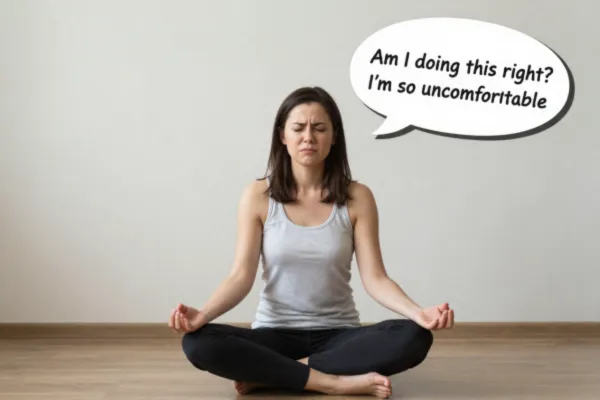
For many people, the word mindfulness brings up images of sitting cross-legged on a yoga mat, trying to empty your mind while listening to whale music!
If that sounds like your idea of torture, don't worry. That's not mindfulness. In fact, one of the biggest barriers to practising mindfulness is misunderstanding what it actually is.
Let's clear up a few of the myths.
Mindfulness Isn't About Emptying Your Mind
This is probably the biggest misconception of them all.
Your brain was designed to think. It produces thoughts all day, every day. Trying to stop your thoughts is a bit like standing on a beach and trying to stop the waves. It's simply not how our minds work.
Mindfulness isn't about getting rid of your thoughts. It's about noticing them without getting swept away by every single one.
Instead of believing everything your mind tells you, you begin to observe your thoughts with curiosity rather than judgement.
Mindfulness Isn't About Feeling Calm All the Time
This often surprises people.
Yes, mindfulness can help us feel calmer, and that's one of the reasons I love it so much. But it doesn't mean life suddenly becomes stress-free.
Children will still argue.
The washing machine will still break.
You'll still have days when everything feels overwhelming.
The difference is that mindfulness gives us the tools to notice what's happening before we react on autopilot. It creates a small pause between what's happening around us and how we choose to respond.
For me, that's what the journey to calm is really about.
It's not about never feeling stressed, frustrated or anxious. It's about learning how to find your way back to calm more quickly and more often, even when life doesn't go to plan.
And sometimes, that small pause is enough to change everything.
Mindfulness Isn't Something You Have to Be Good At
Have you ever tried mindfulness and thought:
"I can't do this. My mind keeps wandering."
In reality, that is exactly what mindfulness is. Every time you notice your attention has wandered and gently bring it back to the present moment, you're practising mindfulness.
It's not about keeping perfect focus. As someone with ADHD, I can promise you my attention still wanders - and often!
It's about noticing where your attention has gone.
Even after years of practising mindfulness, my mind still wanders.
That's completely normal.
Mindfulness Doesn't Have to Take Hours
One of the questions I'm asked most often is:
"Do I need to meditate every day?"
My answer?
No.
Mindfulness isn't about squeezing another task into your already busy day. It's about bringing a little more awareness to the moments you're already living.
You can practise mindfulness while...
Making a cup of tea.
While waiting for the kettle to boil.
As you walk the dog.
As you notice the warmth of the sunshine on your face.
Or by simply taking one slow breath before responding to a difficult situation.
These moments may only last a few seconds, but they all count.
For me, mindfulness isn't about finding an hour of peace and quiet. It's about noticing the opportunities to come back to the present moment throughout the day.
The journey to calm isn't a one-off moment that happens during meditation. It's something we return to, again and again, through the small choices we make each day.
So, What Is Mindfulness?
At its heart, mindfulness is simply paying attention to what's happening right now.
It's noticing your thoughts without believing every one of them.
It's recognising your emotions without letting them take over.
It's becoming aware of your body when you're holding tension.
It's gently bringing your attention back to the present whenever your mind races into the past or the future.
The more we practise this awareness, the more choice we have in how we respond to life's challenges.
Why I Love Mindfulness
One of the reasons I'm so passionate about mindfulness is because it isn't about becoming a different person. It isn't about pretending life is always positive. It's about learning to work with your mind instead of constantly fighting against it.
My brain doesn't suddenly become quiet because I practise mindfulness. What has changed is my relationship with my thoughts.
I'm kinder to myself.
I'm better at recognising when I'm becoming overwhelmed.
I'm more able to pause before reacting.
Those small changes have made a huge difference, not just for me, but for my family too.
You Don't Have to Get It Perfect
If there's one thing I'd love you to take away from this blog post, it's this:
You don't have to be good at mindfulness to benefit from it.
There isn't a right or wrong way to begin.
You don't need expensive equipment.
You don't need to meditate for an hour every morning.
You simply need to start noticing.
One breath.
One moment.
One mindful choice at a time.
That's how lasting change begins.
Ready to Explore Mindfulness Further?
If you'd like to learn simple, practical mindfulness techniques that fit into real life, my Transform Your Life Using Mindfulness e-guide is a great place to start. It's designed to help you understand mindfulness in a way that's realistic, approachable and easy to apply, even if you're short on time or your mind feels anything but quiet.
If you're looking for more personalised support, my coaching programmes can help you build mindfulness into your everyday life, reduce overwhelm and create lasting changes that work for you and your lifestyle.