Low-Stim Living: How to Recover From Digital Burnout in 2026
Is Constant Stimulation the Reason You’re Feeling Exhausted?
Do you ever find yourself sitting on the sofa after a long day, finally "relaxing," but you’re actually scrolling through TikTok with the television on in the background while simultaneously replying to a WhatsApp group?
We call it "relaxing," but this behaviour is not relaxing for our brains. It is causing a dopamine crisis.
What is the Dopamine Crisis?
In the simplest terms, dopamine is the "reward" chemical in our brain. It’s that little hit of pleasure or excitement you get when you see a "Like" on a photo, bite into a bar of chocolate, or buy something new online. It’s designed to motivate us to do things that are good for our survival.
The "Crisis" comes from the fact that we have too much of a good thing. In current times, everything is designed to give us a hit of dopamine instantly. Infinite scrolling, 24/7 news alerts, instant processed snacks, and "Next Hour" delivery. We are being flooded with more "hits" than our brains were ever evolved to handle.
Just like with caffeine or sugar, the more dopamine we get, the more we need to feel normal. Over time, your brain says, "Whoa, this is too much!" and starts to shut down its receptors. This means things that used to make you happy, like a walk in the park or a conversation with a friend, start to feel "boring" because they don't give you that massive hit.
We can correct this with low-stim living, which I'll explain below.
What is Low-Stim Living?
Low-Stim (low stimulation) living isn’t about moving to a cave and eating berries. It’s about intentionally lowering the "volume" of your life so your nervous system can finally come out of fight-or-flight mode.
How to Start Embracing a Lower-Intensity Life
Audit your "Sensory Background Noise"
We often leave the radio on or the television humming just for "company," but your brain still has to process those sounds. Try to make 30 minutes a day where the house is actually quiet. It feels weird at first, but your cortisol levels will thank you.
Switch to "Grayscale" on your Phone
Apps are designed with bright colours to keep us hooked. By stripping the colour away in your phone settings, you make these visually appealing apps look like a boring newspaper. It’s a game-changer for reducing that compulsive urge to check your notifications.
Practice "Single-Tasking"
We’ve been sold the lie that multitasking is a superpower. It’s actually just "attention flickering," and it’s exhausting. When you’re making a cup of tea, just make the cup of tea. When you’re walking the dog, leave the podcast off. Give your brain the gift of doing just one thing.
Create a "Low-Stim Sanctuary" at Home.
Designate one corner of your home, even if it’s just a specific armchair, as a no-tech zone. Use soft textures, warm lighting, and maybe a weighted blanket. This tells your body: "When we are here, we are safe to switch off."
Swap the "Dopamine Scroll" for "Memory Gardening"
Before bed, instead of seeing what people you haven't spoken to in ten years are eating for dinner, spend five minutes reflecting on your day. What’s one tiny thing that went well? This gentle "filing" of your day helps your brain organise emotions so you don't wake up at 3:00 AM in a panic.
Try "Awe Walking" Once a Week
Head outside and look for things that make you feel small - in a good way. The scale of an old oak tree or the way the clouds are moving. This "Awe" response actually triggers a biological reset in the nervous system, lowering your baseline stress.
Set "Digital Curfews."
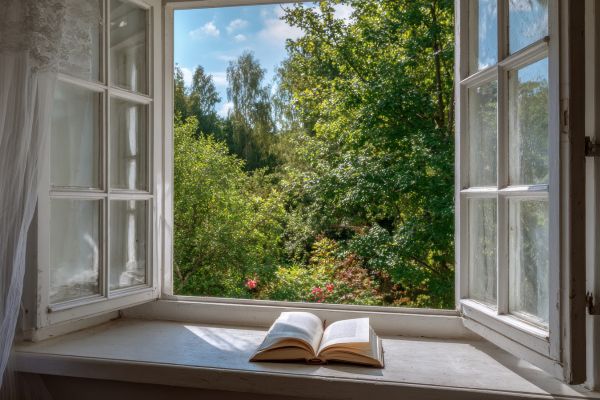
In 2026, the line between work and home is thinner than ever. Set a hard "screens away" time (I recommend at least an hour before bed). Use that time for a hobby - reading a physical book, knitting, building Lego or even just looking out the window with a warm drink.
Summary
It can feel counter-intuitive to "do less" when the world is demanding more, but you cannot pour from an empty cup. By lowering the stimulation, you aren't being "lazy". You are being protective of your most valuable asset: your mental energy.
I’ve seen such a massive shift in the members of this community who have moved away from the "hustle and bustle" and into this gentler way of living. If you’re feeling a bit lost on how to start, I’ve built the perfect roadmap for you.